




Child Safety In The Digital World | UNIVERSITY ISLAMIC CENTRE
» ARTICLE » Child Safety in the Digital World

Child Safety in the Digital World

The digital world has become an important part of daily life, including for children. Technological developments provide extensive learning opportunities, interactive entertainment, and more open social relationships. However, it also brings various risks to children, who are often unaware of the hidden dangers. Therefore, ensuring their safety in cyberspace is a shared responsibility of parents, teachers, and society.

A6 Image1
image source: www.wionews.com

The Impact of the Digital World on Children

Today's children are growing up with gadgets, apps, and social media. Platforms like YouTube, TikTok, and Instagram have become a part of their daily lives. While this technology provides educational content and creativity, it also serves as a gateway to various threats such as cyberbullying, exposure to inappropriate content, and exploitation.

Studies show that children are often exposed to unfiltered information, which can affect their emotional and social development. For example, interacting with strangers online can lead to dangers such as scams or victimization. Additionally, the pressure to meet social standards portrayed on social media can lead to self-esteem issues, anxiety, and depression in children.

Threats in the Digital World

Some of the main threats to children's safety in the digital world include:

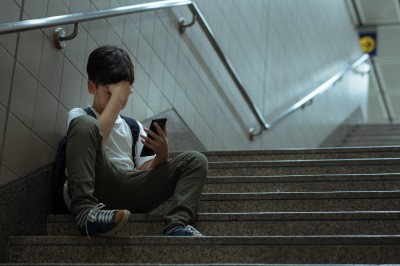
1. Cyberbullying: Online communication through messages, comments, or pictures can be a conduit for bullying. Cyberbullying is often more difficult to control than physical bullying because it occurs in secret and can be accessed at any time.

2. Inappropriate Content: Without proper controls, children can be exposed to adult content, violence, or propaganda that is not appropriate for their age.

3. Identity Theft: Children who lack an understanding of online safety can fall victim to individuals who impersonate them to obtain their personal information.

4. Digital Addiction: Excessive use of devices can lead to addiction, disrupting daily routines such as sleeping and studying.

5. Online Predation: Predators often use digital platforms to approach and manipulate children, especially those who are easily trusting of strangers.

Link com
Image source: www.linkedin

The Role of Parents in Protecting Children

Parents play an important role in ensuring children's safety in the digital world. Some of the steps that can be taken are:

· Content Monitoring: Always monitor the websites, apps, and social media used by children. Parental control apps

(parental control) can help block access to inappropriate content.

· Internet Usage Guidance : Teach children how to use the internet safely, including recognizing risks and dangers. Explain to them the importance of maintaining privacy online, such as not sharing personal information with strangers.

· Set Time Limits: Limiting screen time is important to prevent digital addiction. Encourage children to engage in physical and social activities offline.

· Communicate Openly: Make sure children feel comfortable sharing their experiences online, including if they encounter suspicious or scary situations.

The Role of School and Community

In addition to parents, schools and communities also have a responsibility to protect children in the digital space. Schools can provide digital literacy education as part of the curriculum, which teaches children to use technology wisely. Teachers can also monitor digital interactions between students to detect any suspicious behavior.

The community can also play a role by providing online safety awareness programs for parents and children. Through joint activities, the community can build an environment that supports children's holistic development, including in the digital space.

A6 img5

Date of Input: 17/06/2025 | Updated: 17/06/2025 | asmunir

MEDIA SHARING

UNIVERSITY ISLAMIC CENTRE
Universiti Putra Malaysia
43400 UPM Serdang
Selangor Darul Ehsan
0397698588
0397693640
X, (06:43:34pm-06:48:34pm, 13 May 2026)   [*LIVETIMESTAMP*]