Islam places great emphasis on social interaction and companionship, as human relationships exert a direct influence on the formation of an individual’s religious commitment, moral conduct, and personal character. This fundamental principle is clearly articulated in a hadith of the Prophet Muhammad ï·º narrated by Abu Hurairah (RA), in which the Prophet ï·º said:
الرَّجÙل٠عَلَى دÙين٠خَلÙيلÙÙ‡Ù ÙَلْيَنْظÙرْ Ø£ÙŽØَدÙÙƒÙمْ مَنْ ÙŠÙخَالÙÙ„Ù
“A person follows the religion of his close companion; therefore, let each of you consider carefully whom he takes as a companion.”
(Hasan Sahih, narrated by Abu Dawud, no. 4833)
This hadith underscores the fact that a companion is not merely a partner in worldly affairs but also a significant influence on one’s religious beliefs, worldview, daily habits, moral conduct, and overall character development. Consequently, the choice of companions should never be taken lightly. Rather, it should be a central consideration in various aspects of life, including the selection of a life partner, colleagues, neighbours, teachers, and those with whom one frequently associates.
Habib Umar bin Hafidz explains that a person’s companions and social environment serve as a reflection of their religious commitment and moral character. This notion is captured in the well-known expression: “Tell me who your companions are, and I will tell you who you are.” This statement highlights the reality that human beings, by their very nature, are highly susceptible to the influence of those around them. Moral behaviour, emotional tendencies, and even patterns of thinking can be transferred from one individual to another, often without conscious awareness.
In this regard, Islam teaches that a person will be gathered together with their companions in the Hereafter. The bonds formed in this world do not end with worldly life alone; rather, they may have lasting consequences in the next life. For this reason, individuals are urged to critically examine the companions they choose, as righteous companionship may also serve as a means of intercession in the Hereafter.
Within the context of child upbringing and education, Habib Umar bin Hafidz further stresses the responsibility of parents to carefully observe the character and conduct of their children’s close companions. Children should be guided to remain within circles of righteous companionship and placed in environments that are free from harmful influences. Parents must also protect their children from negative exposure through media and unhealthy social interactions. This is because children inevitably grow according to the nature of their surroundings, much like water that takes on the colour of the vessel that contains it.
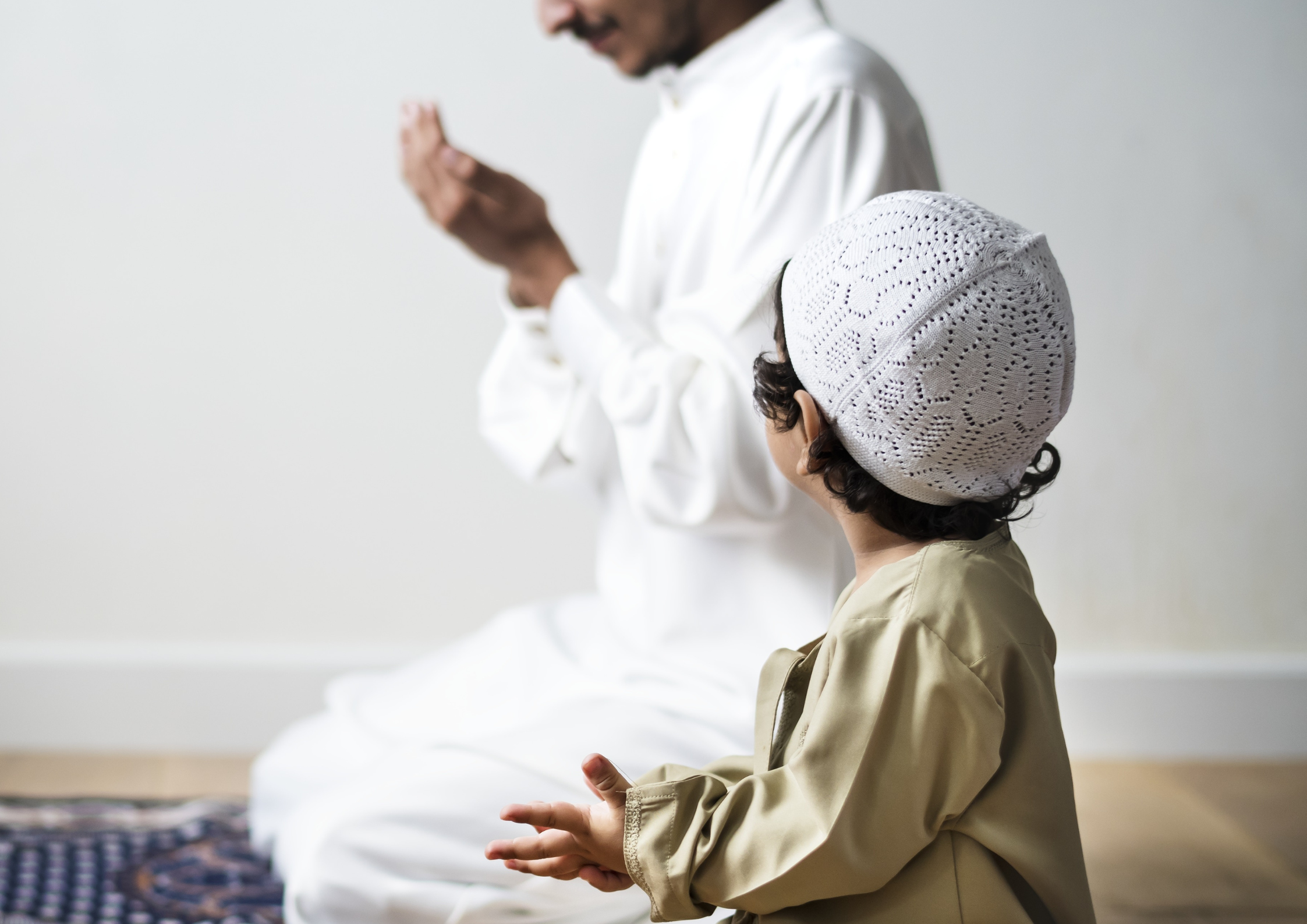
Habib Umar bin Hafidz also invites Muslims to reflect upon the exemplary lives of the Companions of the Prophet ï·º. With whom did they associate, and whom did they accompany? The answer is clear: they remained constantly in the company of the Messenger of Allah ï·º, the best of all companions and associates. Through the presence of the Prophet ï·º, their hearts were purified, their souls illuminated, and their moral character shaped by the light of prophethood, resulting in the emergence of the finest generation in the history of humanity.
Furthermore, the Prophet Muhammad ï·º illustrated the effects of companionship through a powerful analogy, comparing a good companion and a bad companion to a perfume seller and a blacksmith. The perfume seller either grants you a pleasant fragrance, sells it to you, or at the very least allows you to enjoy its scent. In contrast, the blacksmith may burn your clothes or, at the very least, leave you with an unpleasant odour. This analogy clearly demonstrates that the influence of companionship is inevitable, whether one is consciously aware of it or not.
In this connection, Habib Umar bin Hafidz conveys the advice of Imam al-Haddad and Habib Ali al-Habshi, who cautioned Muslims against befriending those who are heedless or who oppose the path of Allah. Instead, they encouraged constant association with righteous and faithful individuals. This is because the influence of a companion is often stronger than verbal advice, and companionship with the righteous has the capacity to instil spiritual light and faith within the heart.
In conclusion, let us humbly supplicate to Allah the Almighty to grant us righteous companions, associates who remind us of Him, and to make us individuals who uphold proper conduct in friendship. May we be gathered among the righteous in this world and in the Hereafter.

Date of Input: 14/01/2026 | Updated: 14/01/2026 | asmunir
MEDIA SHARING