


EXCEEDING IN RELATIONSHIP | UNIVERSITY ISLAMIC CENTRE
» ARTICLE » EXCEEDING IN RELATIONSHIP

EXCEEDING IN RELATIONSHIP

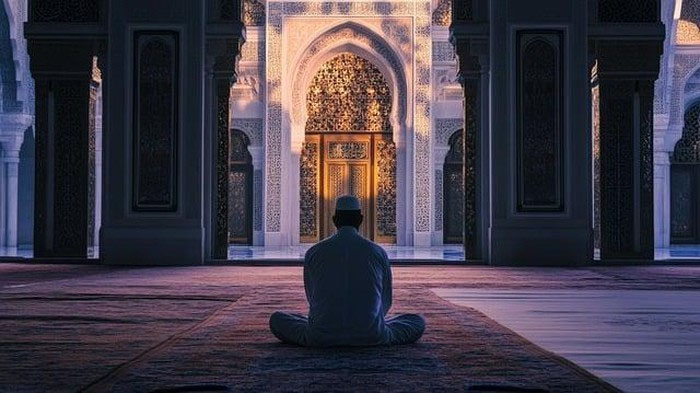
Tabarruk is defined as the act of taking blessings. The word blessing itself comes from Al-Birkah, which is something that has abundant and permanent water, such as lakes and ponds. This word is used to describe an increase in terms of goodness, glory, flourishing, benefit and grandeur. A thing or deed is said to be blessed if its reward and good reward are multiplied and increased. From a terminology point of view, tabarruk is a Muslim's effort to multiply the reward and goodness from the deeds he does.

img1
Image source: https://pustakaalbahjah.com/

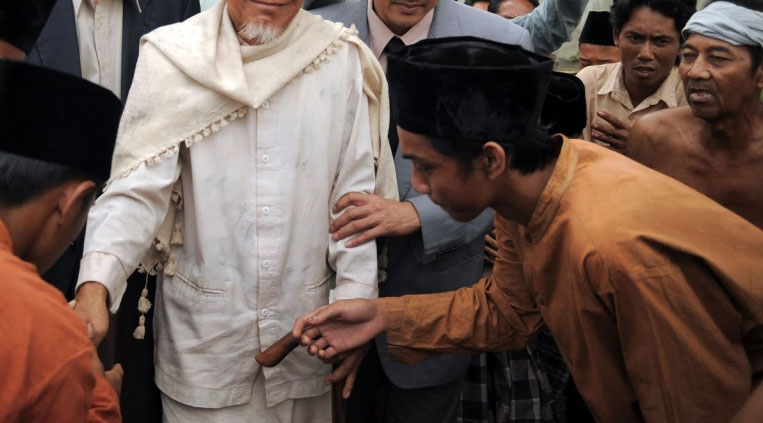
Within the framework of the discussion of the Quran and Sunnah, blessings lie in several things. First, blessings on a person's body, as we see in the case of the Prophet Muhammad (PBUH). The companions of the Prophet (PBUH) took blessings from the saliva and sweat of the Prophet (PBUH), and this act was permitted by the Prophet Muhammad (PBUH) in various hadiths. For example, Umm Sulaim (PBUH) once wiped away the sweat of the Prophet (PBUH) and kept it. From Umm Sulaim (PBUH)

He used to come to her and take a nap in her place, and she would spread out a mat for him so he could take a nap on it. He used to sweat a lot, so she used to collect his sweat and put it in perfume and bottles. The Prophet (peace and blessings of Allah be upon him) said, “O Umm Sulaim, what is this?” She said, “Your sweat; I wash away my perfume with it.”

Meaning : “ The Prophet (peace be upon him) came to meet her. Then he slept at noon in his house. Then Umm Sulaim spread a mat for him and he slept on it. At that time, the Prophet (peace be upon him) sweated a lot. Then Umm Sulaim collected the sweat and put it in perfume and containers. Then the Prophet (peace be upon him) said: O Umm Sulaim, what is this? She (Umm Sulaim) replied: This is your sweat which I mixed with my perfume .” Narrated by Muslim (6203)

Likewise, with the blessings of the prayers of both parents, the Prophet said: 

“ Three prayers are answered without doubt: the prayer of the one who is wronged, the prayer of the one who is on a journey, and the prayer of parents for their children .” (HR al-Tirmidhi no. 1905)

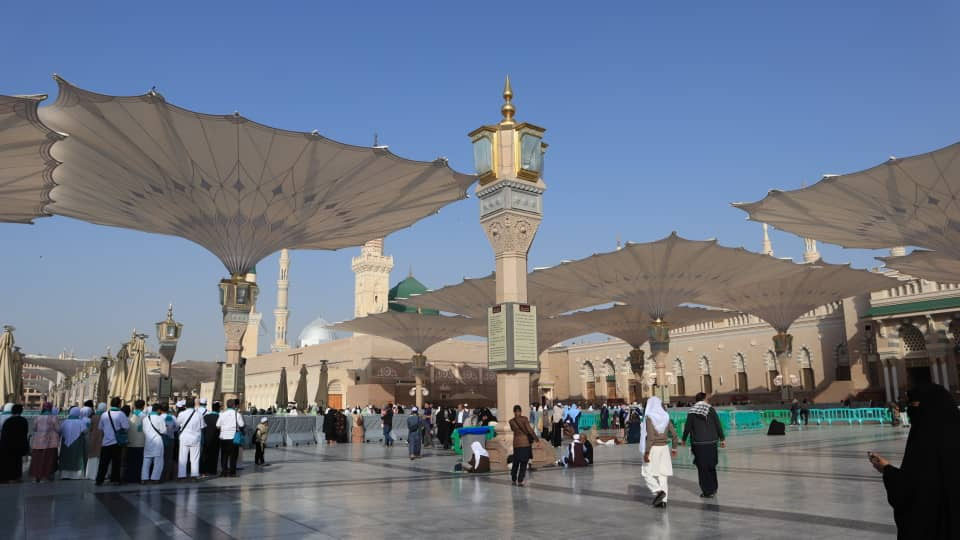
Secondly, blessings can also be in places. For example, the virtues of praying in Masjidil Haram, Masjidil Aqsa and Masjid Al-Nabawi are multiplied thousands of times by Allah SWT, the Prophet said

On the authority of Abu Hurairah, may God be pleased with him, on the authority of the Prophet, may God bless him and grant him peace, who said: “A prayer in this mosque of mine is better than a thousand prayers in any other mosque, except the Sacred Mosque.”

“ A prayer in this mosque of mine (the Prophet’s Mosque) is better than a thousand prayers in any other place, except in the Grand Mosque. ” (Narrated by al-Bukhari no. 1190, Muslim no. 1394)
 

img3
Image source: hannahtravelsandtours.com

Third, blessings can also be in our own actions. For example, in the practice of prayer, fasting, or any righteous deeds that are done sincerely because of the hope of reward from Allah SWT. This is as we see from the story of three companions who were trapped in a cave, and Allah SWT allowed them to come out of the cave thanks to the righteous deeds they had done (HR Al-Bukhari). Fourth, blessings can also be at a specific time. For example, it is clear in Surah Al-Qadr, Allah SWT emphasizes righteous deeds done on the night of Lailatul Qadr.

img2
Image source: Yourillustration/Pixabay

However, one thing that needs to be paid attention to is that this issue of blessings is a branch of the discussion of faith, because it is included in the discussion of unseen matters. Our naked eyes cannot see where, or who, or when the blessings are. If we are not informed, how do we know the virtues of praying at night on Lailatul Qadr?

Therefore, the claim that a time, place, person, or action is a blessing cannot be made without clear evidence, as with all other unseen matters. In fact, it is undeniable that there are times when sentiment and emotion play a role in the claim that an action is a blessing, even though there is no evidence to say so.

Abu Hurairah RA, for example, was once reprimanded by a companion RA while he was praying in Tursina. There is no doubt that Tursina is the historical place where the Torah was revealed to Prophet Moses AS, but without any indication, this story clearly shows that sentimental value does not make the blessing of the place confirmed.

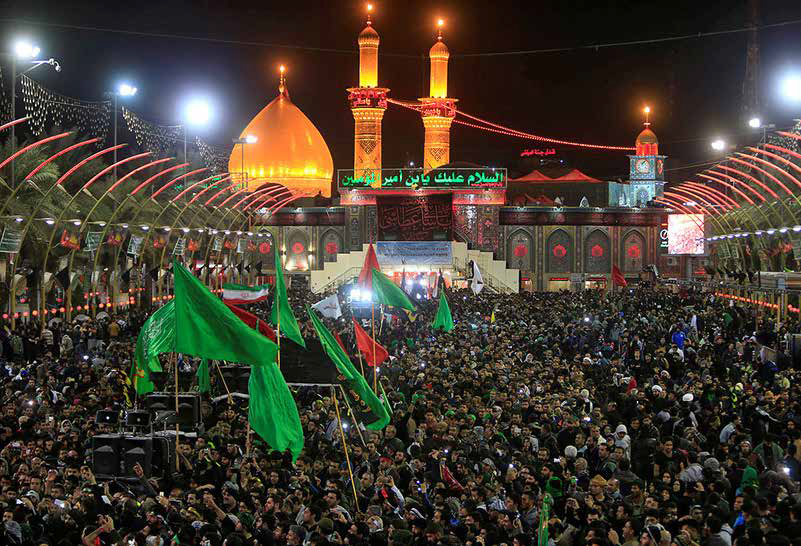
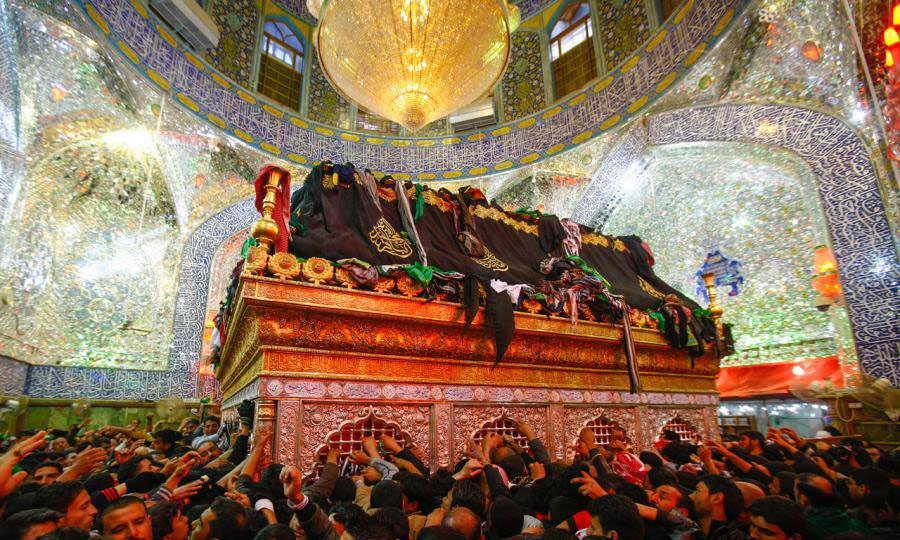
We as lovers of Prophet Muhammad SAW, followers of the companions RA, should be careful in our efforts to seek blessings. Let us take a lesson from the Shia, who clearly go too far in taking blessings. They build very large mosques on the graves of righteous people, then they worship, ask for prayers and take blessings from these individuals, even though it is clear that the act of making graves a place of worship is forbidden by the Prophet Muhammad SAW as he said,

On the authority of Aisha, may God be pleased with her, she said: The Messenger of God, may God bless him and grant him peace, said during his illness from which he did not recover: “May God curse the Jews and Christians, for they took the graves of their prophets as places of worship.” She said: “Had it not been for that, his grave would have been made visible, except that there was fear that it would be taken as a place of worship.”

From Aisha RA, she said: " The Messenger of Allah ï·º said during his illness that led to his death: 'Allah curses the Jews and Christians who take the graves of their prophets as mosques. '" Aisha said: If it were not for that prohibition, the grave of the Prophet would have been revealed (open pilgrimages would have been made obligatory). But it was feared that it would be turned into a mosque (place of worship).

img45
Image source: https://persis.or.id/

They are more diligent in performing the pilgrimage to Karbala on the 10th of Muharram and cite false narrations regarding it. However, it is clear that the blessings of Mecca and Medina are more important, in fact, the Prophet Muhammad SAW forbade prioritizing the effort of traveling to the Grand Mosque, the Aqsa Mosque and the Prophet's Mosque over any other place as he said.

On the authority of Abu Hurairah, that the Prophet, may God bless him and grant him peace, said: “Journeys should not be undertaken except to three mosques: the Sacred Mosque, this mosque of mine, and the Al-Aqsa Mosque.”

Meaning: It is not recommended to travel long distances except to three mosques: Masjid al-Haram, this mosque of mine (Masjid al-Nabawi), and Masjid al-Aqsa.” (HR al-Bukhari no. 1189, Muslim no. 1397)

These prohibitions, as in all matters of Sharia, have their own purpose and secret. The most important reason is to save the people of Prophet Muhammad SAW from the sin of shirk, the only sin that keeps someone in the hell of Allah SWT. We see clearly that the excessive practice of tabarruk on the righteous who have died, gave rise to the first shirk among the people of Prophet Noah AS, as narrated by Ibn Abbas RA.

Ibn Abbas, may God be pleased with them both, said about the Almighty’s saying: “Wadd, Suwa’, Yaghuth, Ya’uq, and Nasr.”

He said: These are the names of righteous men from the people of Noah. When they perished, Satan inspired their people to erect idols at the places where they used to sit and name them after them. They did so, but they were not worshipped. Then, when those people perished and knowledge was abrogated, they were worshipped.

Ibn Abbas RA said about the word of Allah in Surah Nuh verse 23:

“ (Wadd, Suwa', Yaghuth, Ya'uq and Nasr) – these are the names of the righteous people from the people of Prophet Noah. When they died, Satan whispered to his people to erect monuments in their gatherings and name them after their names. So they did (with the intention of remembering them). At first they were not worshipped. But when that generation died and knowledge was forgotten, then those idols began to be worshipped .”

img6
Image source: https://www.facebook.com/photoid/

However, the main effort and mission of a messenger is to ensure that his people die in the monotheism of Allah SWT. The word of Allah SWT: “ And they were not commanded except to worship Allah, being sincere to Him in religion and pure ” (Al-Bayyinah:5).

Date of Input: 19/08/2025 | Updated: 19/08/2025 | asmunir

MEDIA SHARING

UNIVERSITY ISLAMIC CENTRE
Universiti Putra Malaysia
43400 UPM Serdang
Selangor Darul Ehsan
0397698588
0397693640
X, (02:31:54pm-02:36:54pm, 13 May 2026)   [*LIVETIMESTAMP*]